Vail Village, CO Neighborhood Guide
Vail, Colorado · Eagle County · 81657
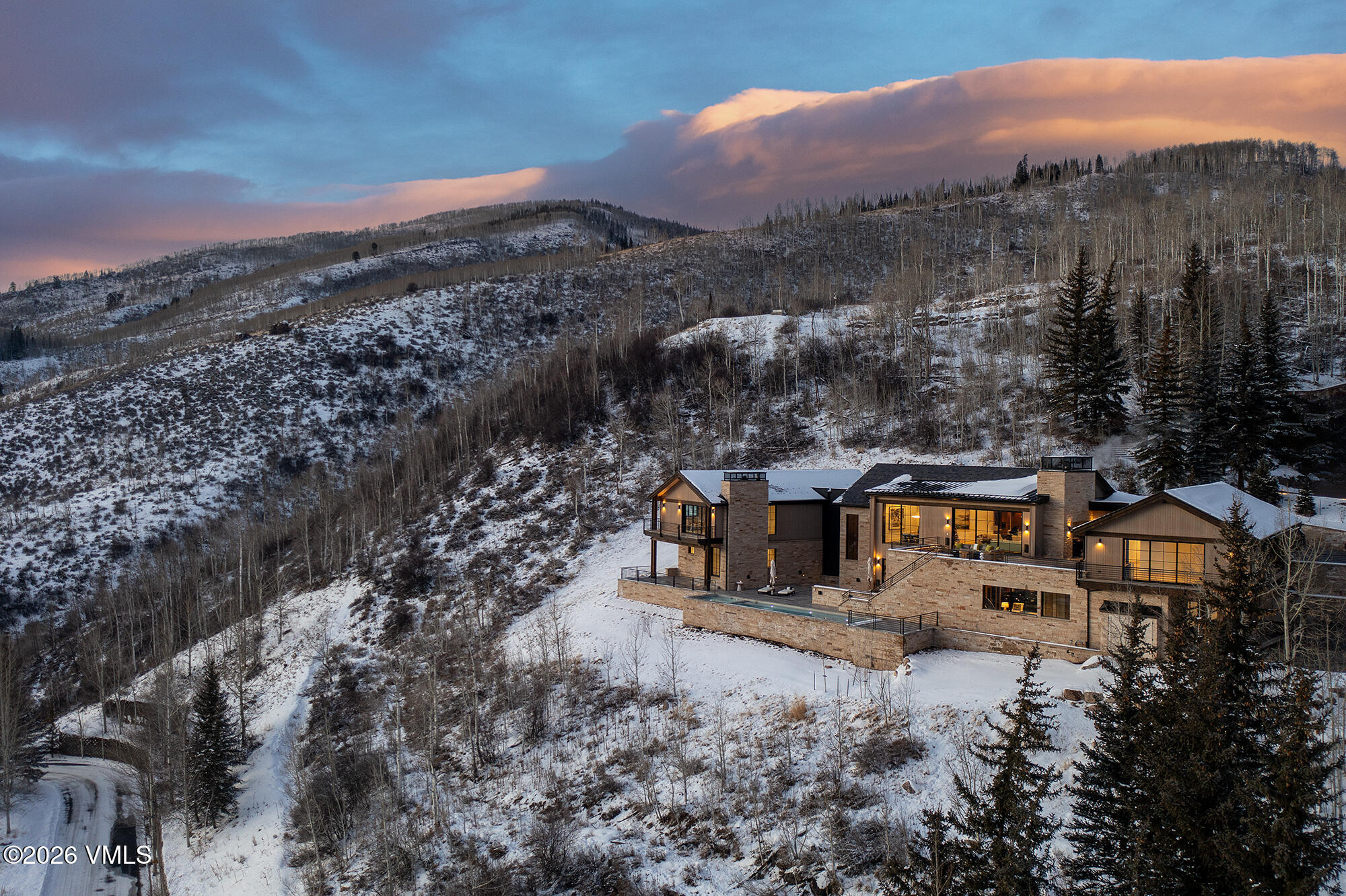
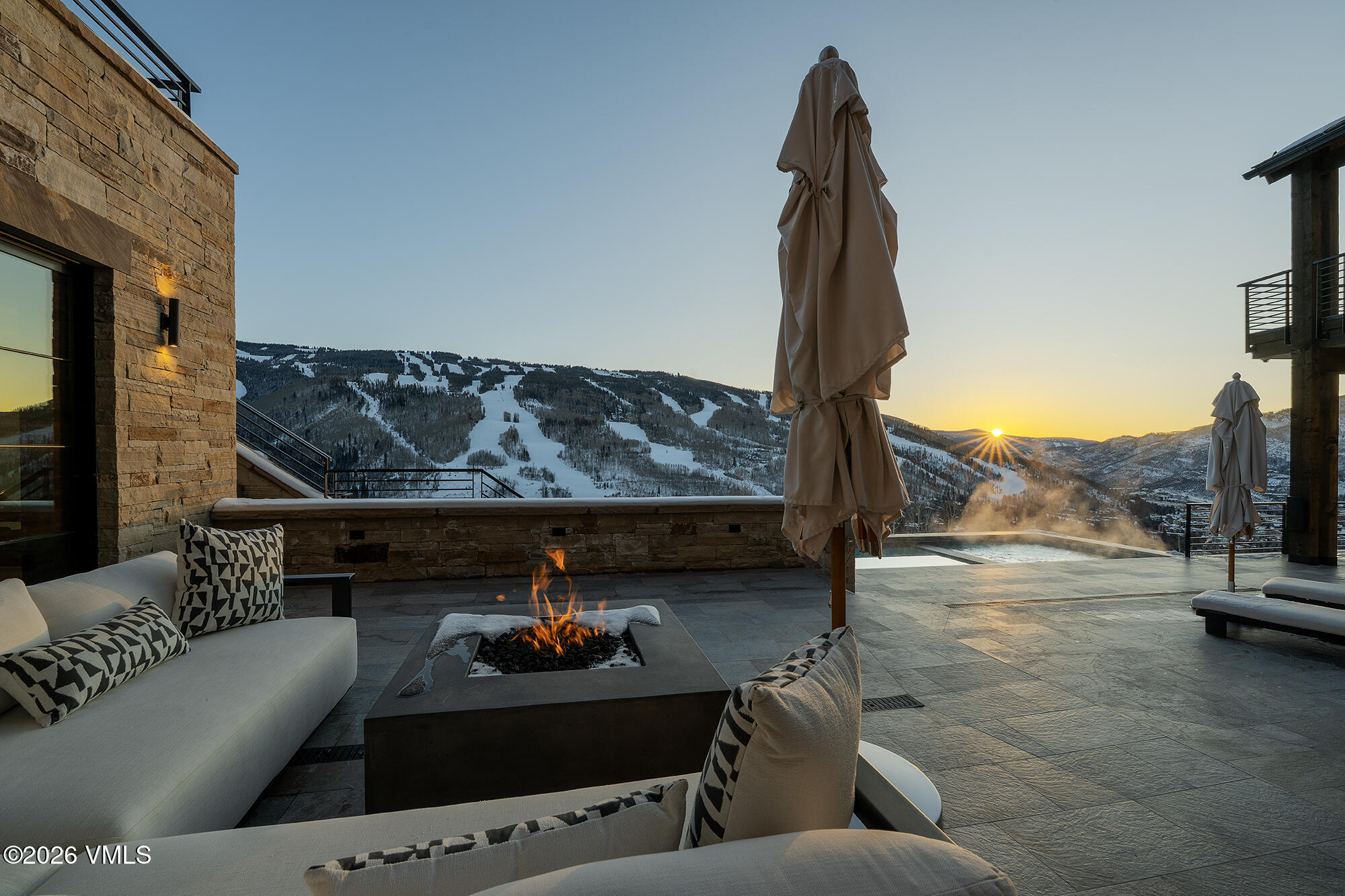
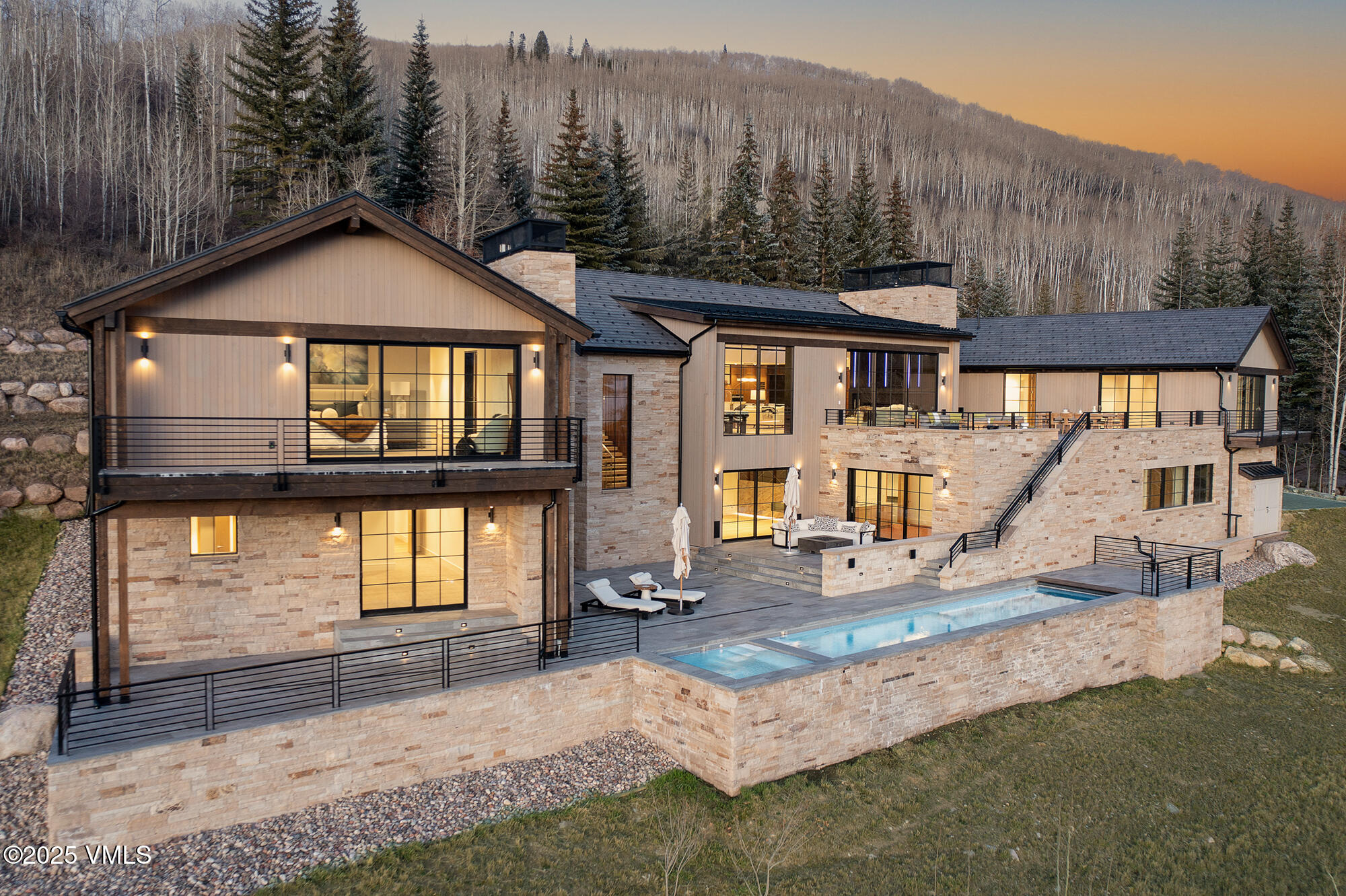
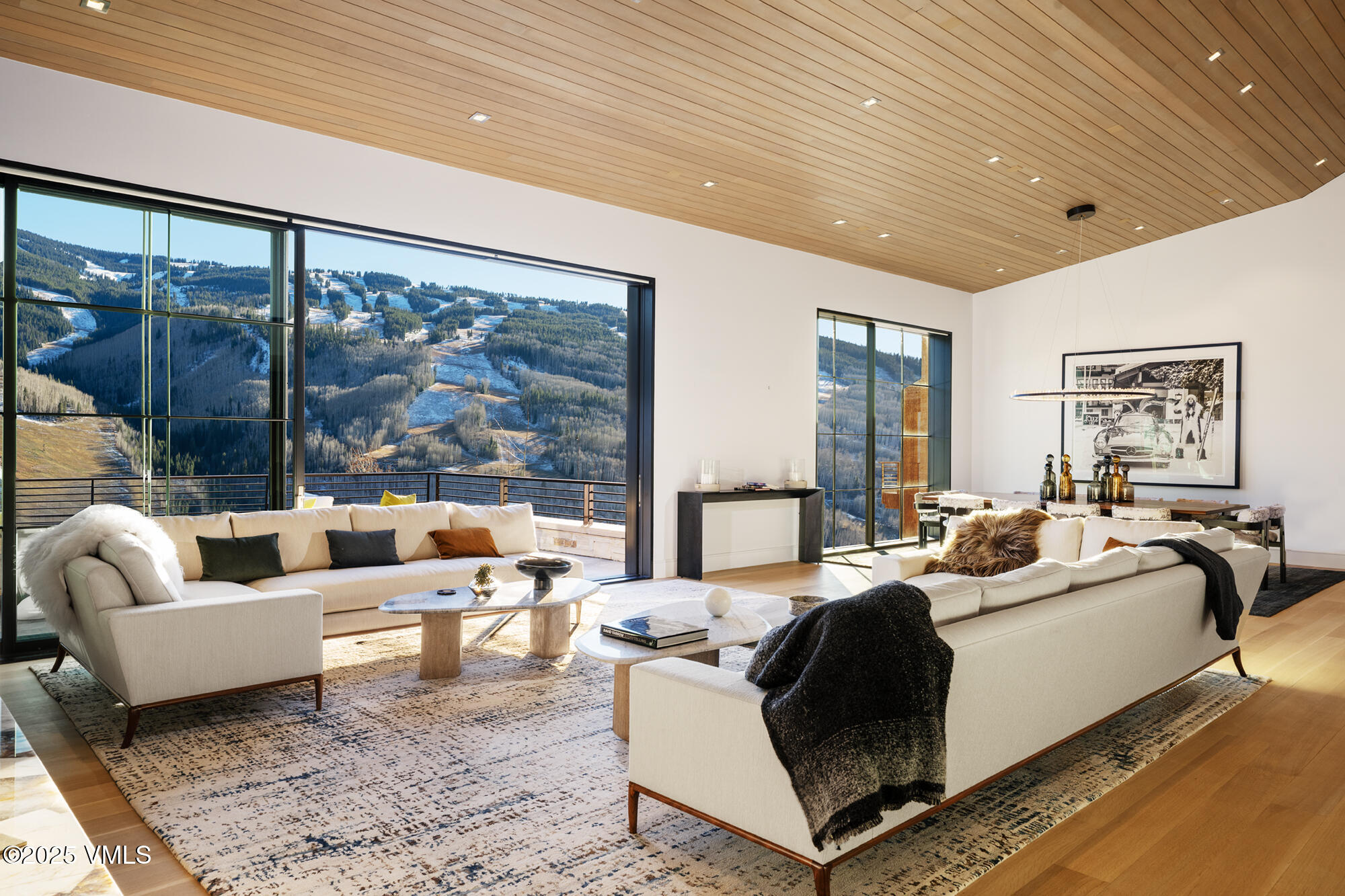
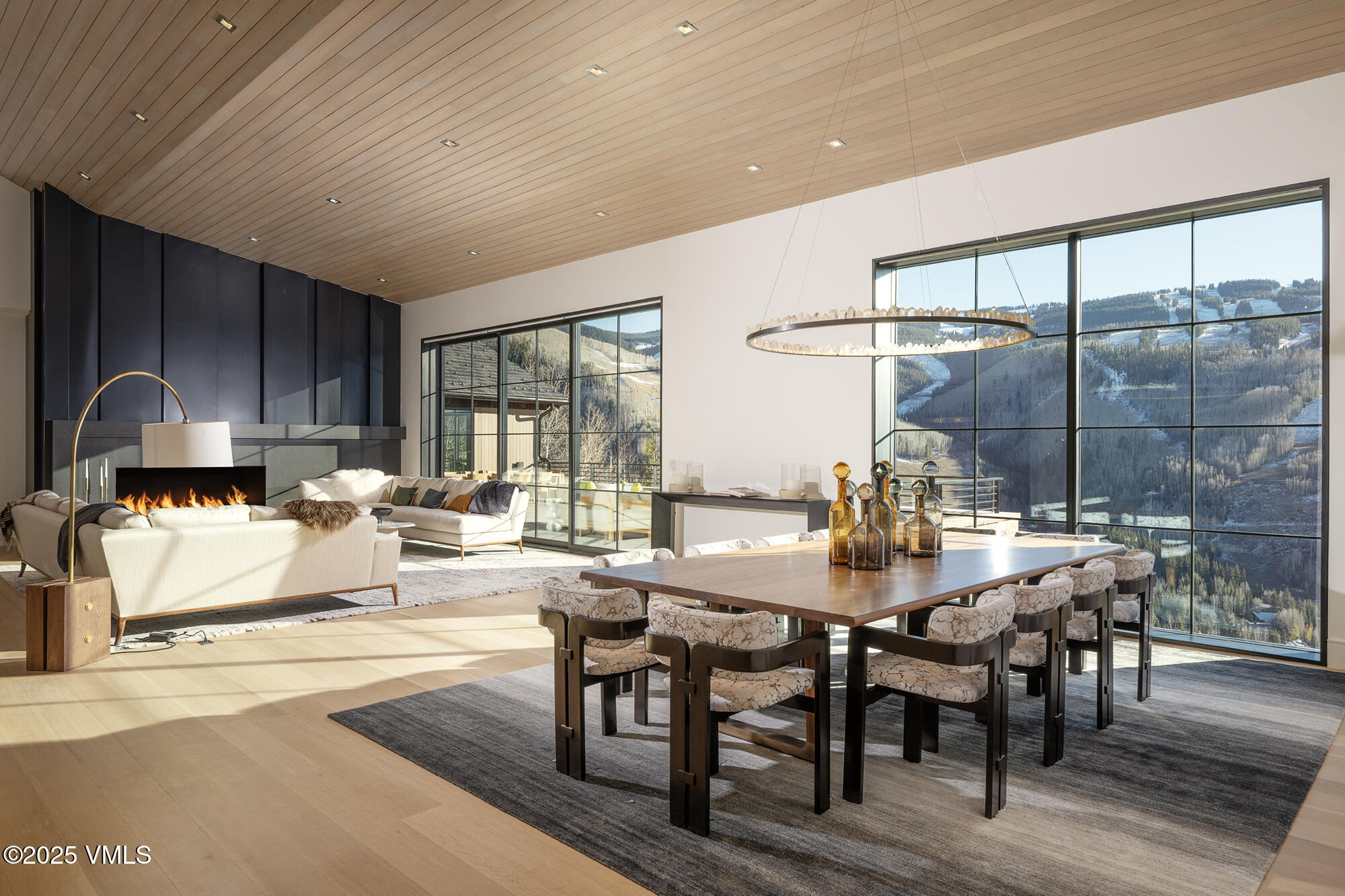
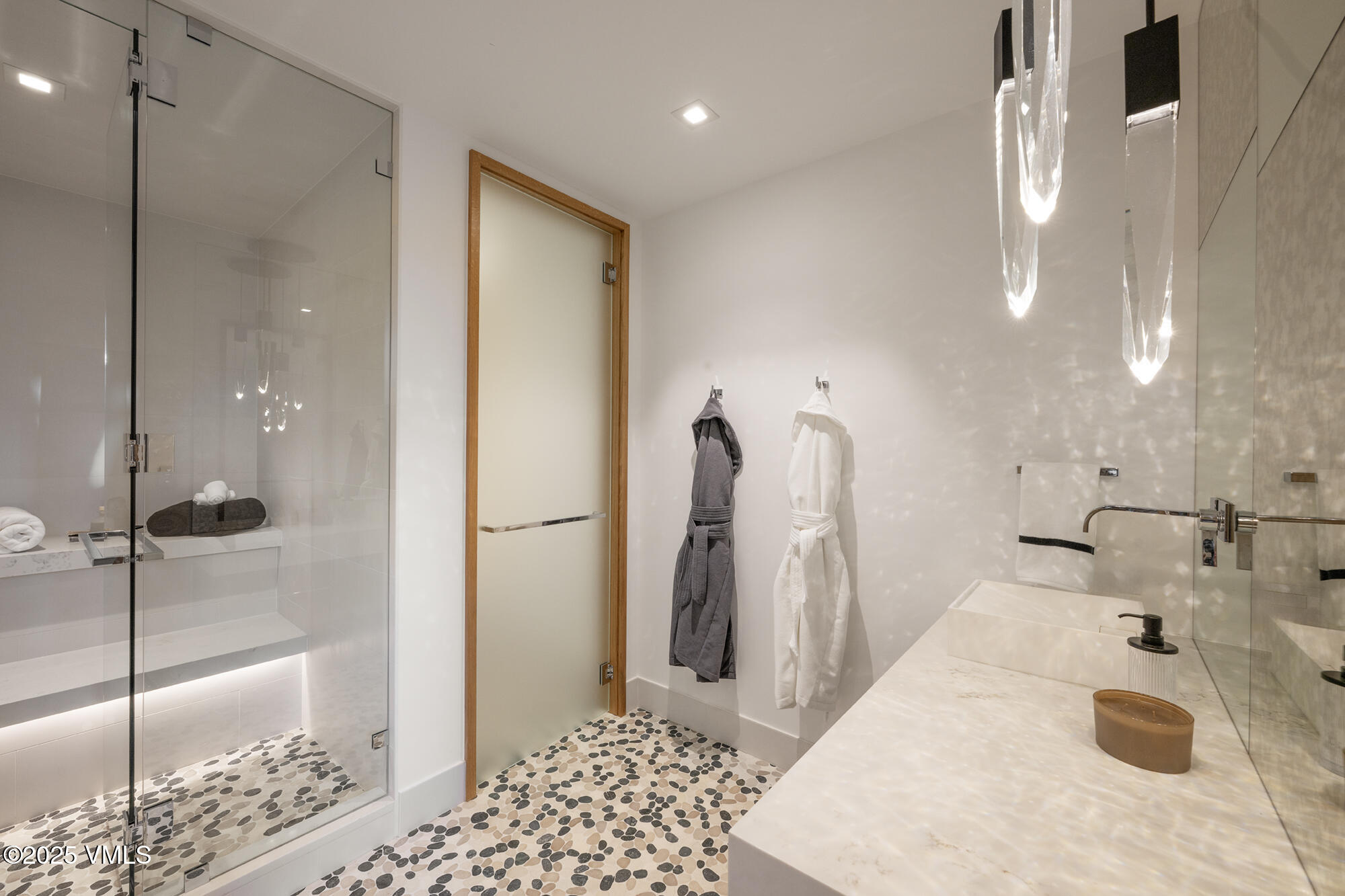
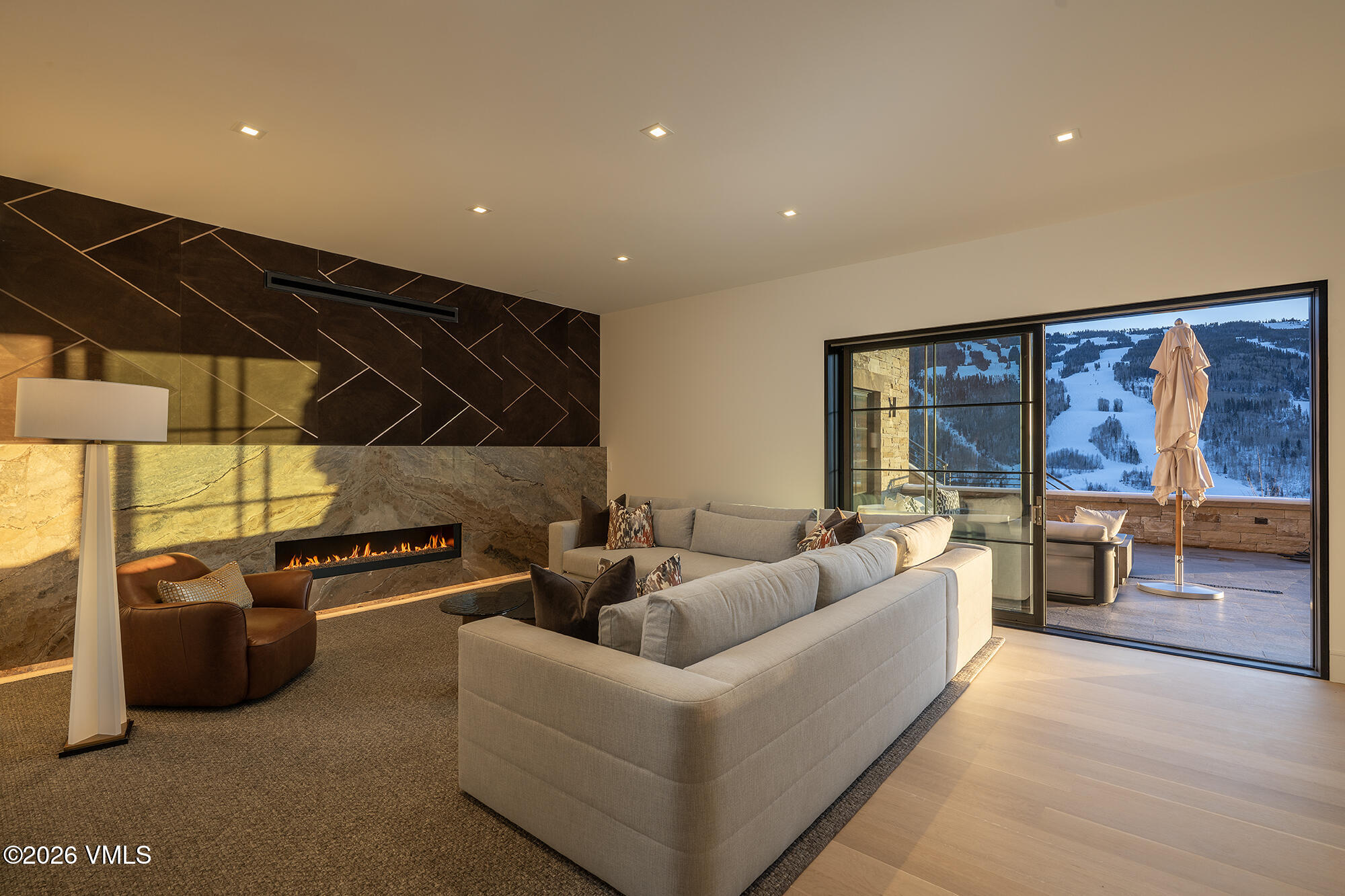
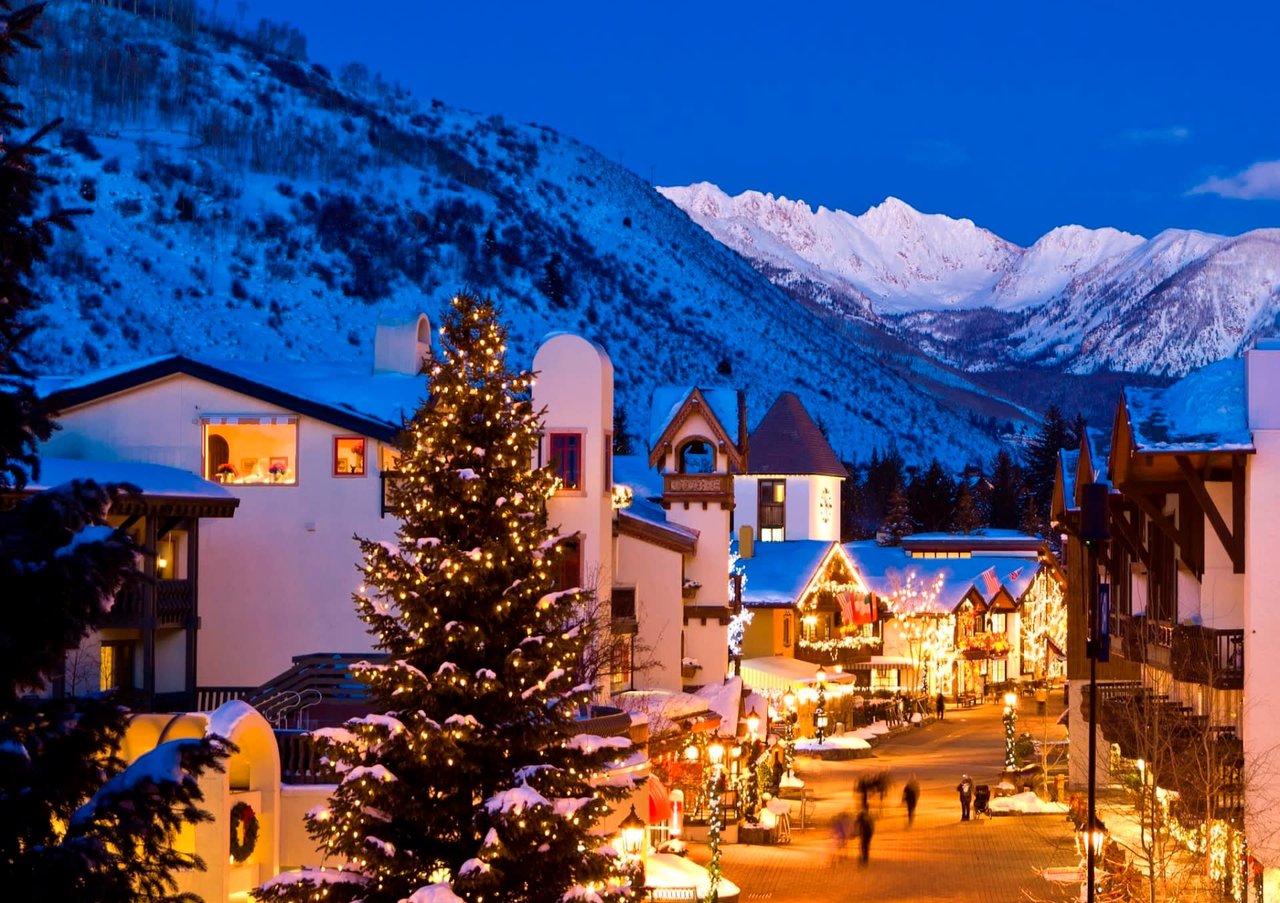
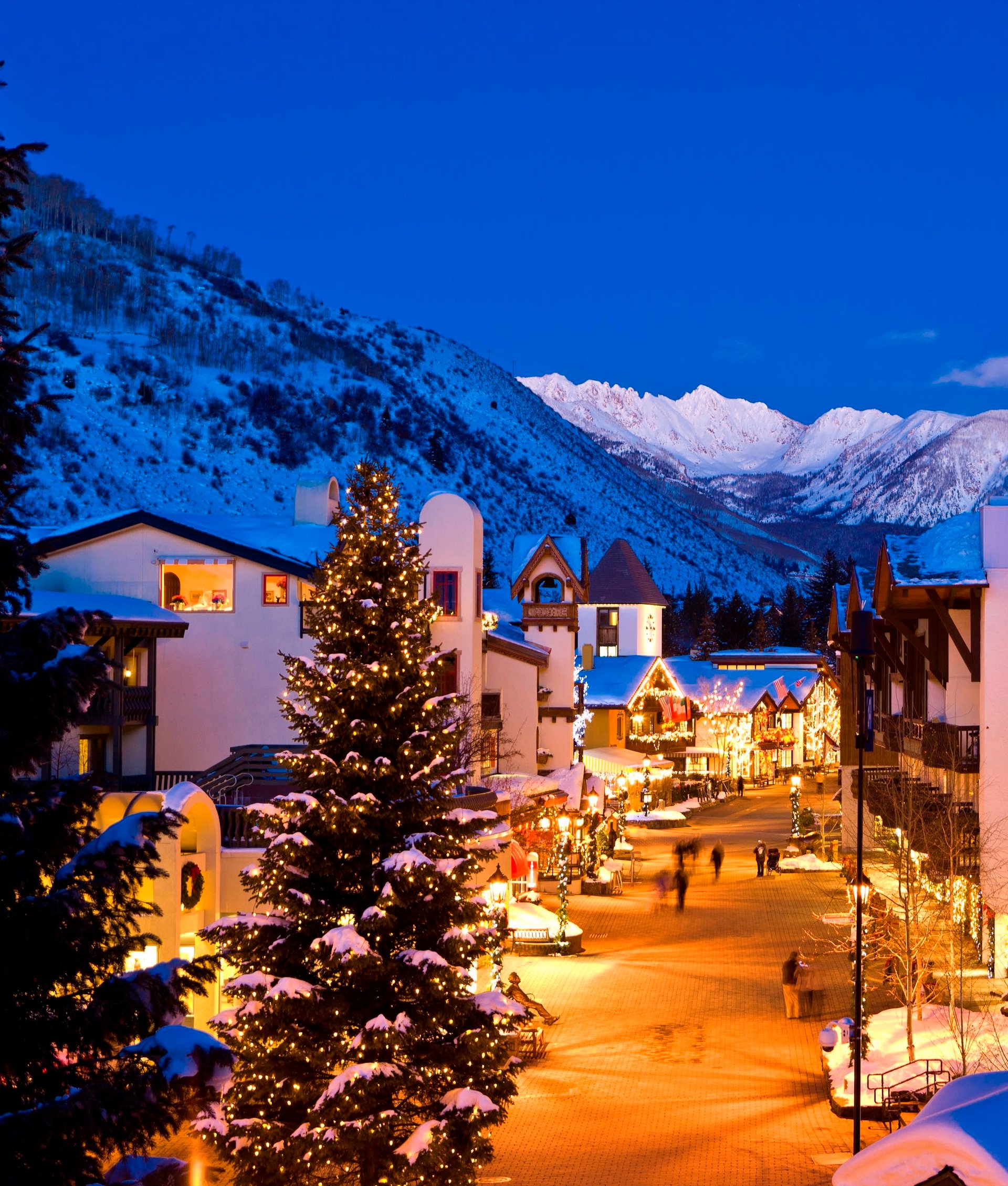
Vail Village is the original heart of Vail, Colorado. Set at the base of Vail Mountain around Gondola One, the village is known for its pedestrian streets, alpine-inspired architecture, luxury residences, boutique shopping, fine dining, and immediate access to one of the largest ski mountains in North America. It is the place many people picture first when they think of Vail.
The neighborhood attracts buyers who want the full resort experience within steps of home. Morning skiing, afternoon shopping, dinner reservations, gallery visits, après-ski, and summer festivals all happen within a compact village setting. Unlike quieter residential areas farther east or west, Vail Village is built around walkability, convenience, and constant access to the mountain.
This guide covers the history, lifestyle, real estate market, schools, amenities, residential settings, and investment picture for Vail Village, Colorado.
| Key Facts: Vail Village, CO |
| County |
Eagle County, Colorado |
| Community Type |
Pedestrian resort village, luxury residential district, and original commercial core of Vail |
| Location |
At the base of Vail Mountain around Gondola One, Bridge Street, Gore Creek Drive, Meadow Drive, and the Vail Transportation Center |
| ZIP Code |
81657 |
| Elevation |
Approximately 8,120 feet at the base of Vail Mountain |
| Primary Landmark |
Gondola One, Vail Mountain, Bridge Street, Vail Clock Tower, and the pedestrian village core |
| Mountain Access |
Immediate access to Vail Mountain through Gondola One and nearby Golden Peak base facilities |
| Vail Mountain Stats |
5,317 skiable acres, 32 lifts, 278 trails, 11,570-foot summit elevation, and a 4-mile longest run |
| Town of Vail Population |
Approximately 5,000 full-time residents, with a significant seasonal and part-time population |
| Real Estate Profile |
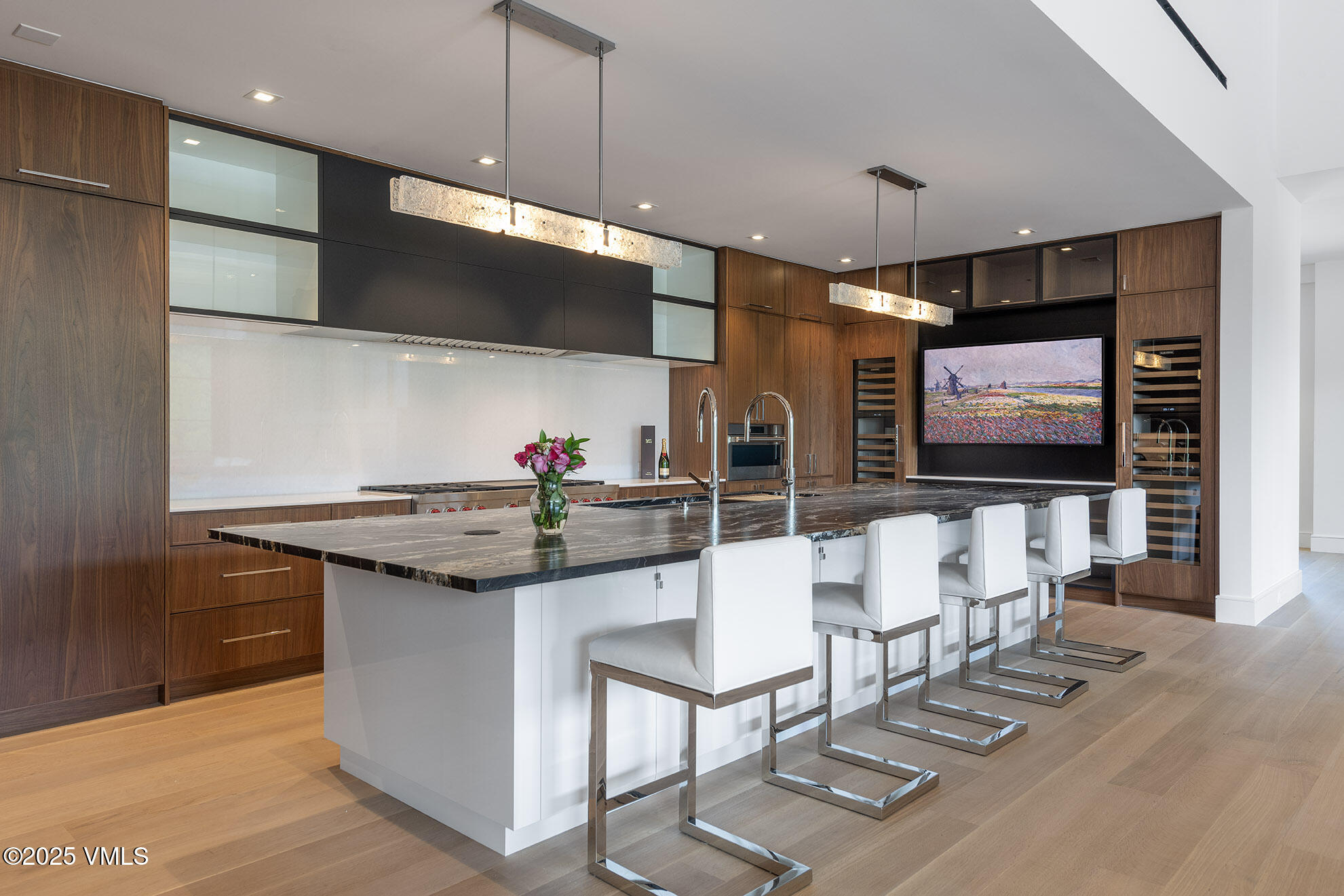
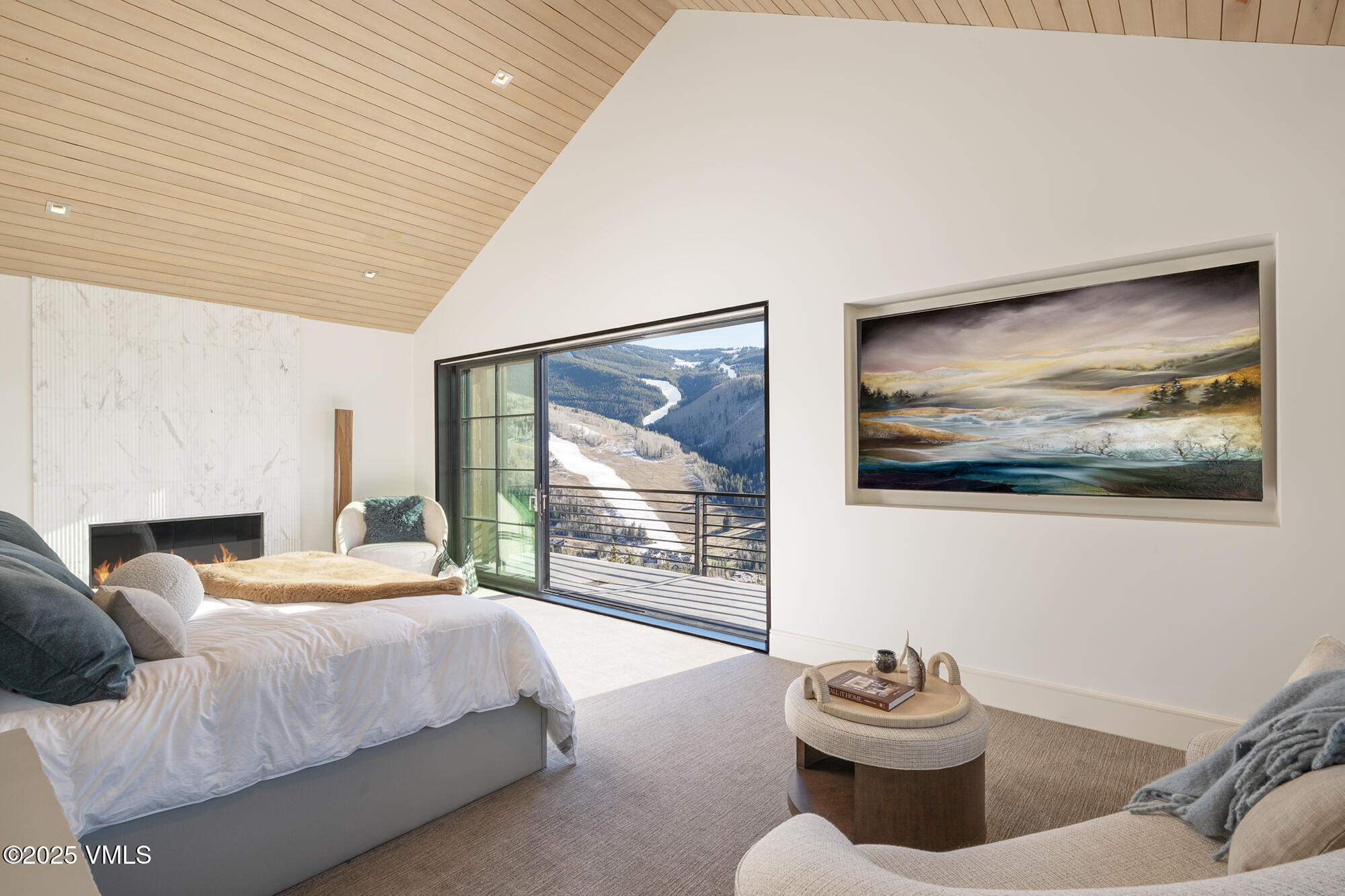
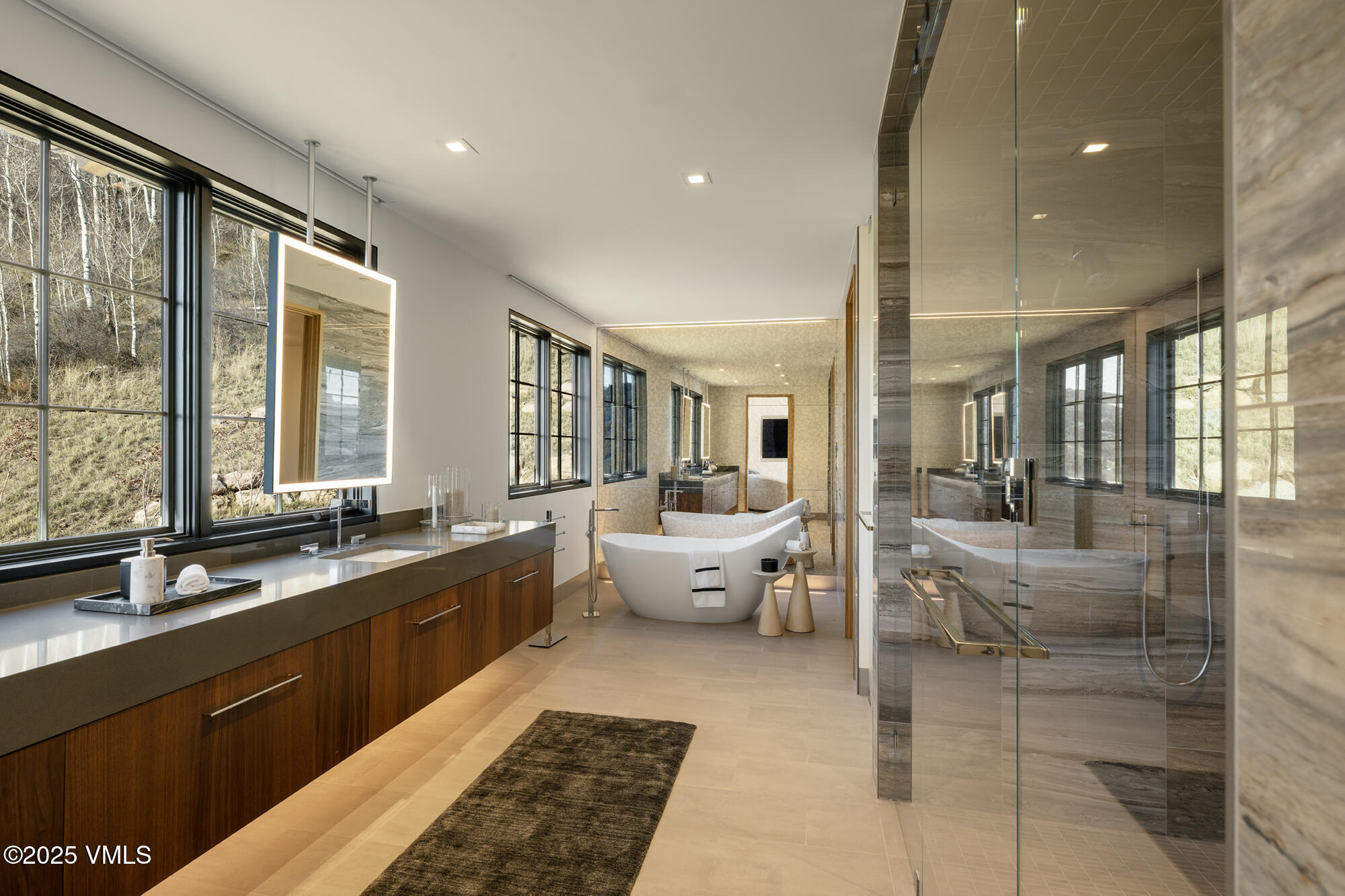
Luxury condominiums, penthouses, hotel residences, townhomes, and limited single-family homes near the village core |
| Vail Home Value Context |
Vail average home value was approximately $1.72 million as of April 2026; Vail Village properties often trade at a premium due to walkability and ski access |
| Transportation |
Free Town of Vail bus service, Vail Transportation Center, walkable streets, paid public parking structures, and easy I-70 access |
| Nearby Destinations |
Gondola One, Golden Peak, Ford Park, Betty Ford Alpine Gardens, Gerald R. Ford Amphitheater, Lionshead Village, and Vail Golf Club |
| School District |
Eagle County School District RE 50J; private and specialized education options nearby in the Vail Valley |
Vail Village Lifestyle Snapshot
An editorial snapshot of the neighborhood’s strongest lifestyle attributes, not a statistical ranking.
Rental & Investment Appeal
Community Overview
Vail Village is the most recognizable neighborhood in the Vail Valley. Its cobblestone-style pedestrian streets, chalet-inspired buildings, heated walkways, public plazas, and close-up views of Vail Mountain create the classic resort atmosphere that has made Vail famous worldwide. The neighborhood is compact, polished, and highly convenient, with nearly everything accessible on foot.
For homeowners, the village offers a lifestyle built around ease. Skiers can walk to Gondola One. Diners can choose from some of the valley’s best-known restaurants without driving. Shoppers, art collectors, and seasonal visitors can move between boutiques, galleries, hotels, and cafés throughout the day. The tradeoff is density and price, but for buyers who want the center of Vail, no other neighborhood matches it.
5,317 Skiable acres on Vail Mountain
32 Lifts serving Vail Mountain
278 Trails across the resort
11,570 ft Vail Mountain summit elevation
$1.72M Approx. Vail average home value, April 2026
1962 Vail Mountain opened
Vail Village is the highest-convenience address in town. The strongest properties combine walkability, mountain access, views, updated interiors, parking, and building amenities, which is why inventory in the village core remains some of the most closely watched in the Vail market.
History & Heritage
Vail Village began with the creation of Vail Mountain. Construction started in spring 1962, and the resort opened that same year with one of the first gondolas in the United States, two double chairlifts, and early mountain facilities. The Town of Vail was incorporated in 1966, giving the young ski community a formal municipal identity.
The village was designed as a pedestrian-friendly alpine resort, drawing inspiration from European mountain towns. Early shops, hotels, restaurants, and ski services clustered near the base of the mountain, forming the walkable core that still defines Vail today. The architecture, plazas, bridges, and narrow streets were built to make the village feel intimate, even as Vail’s reputation grew internationally.
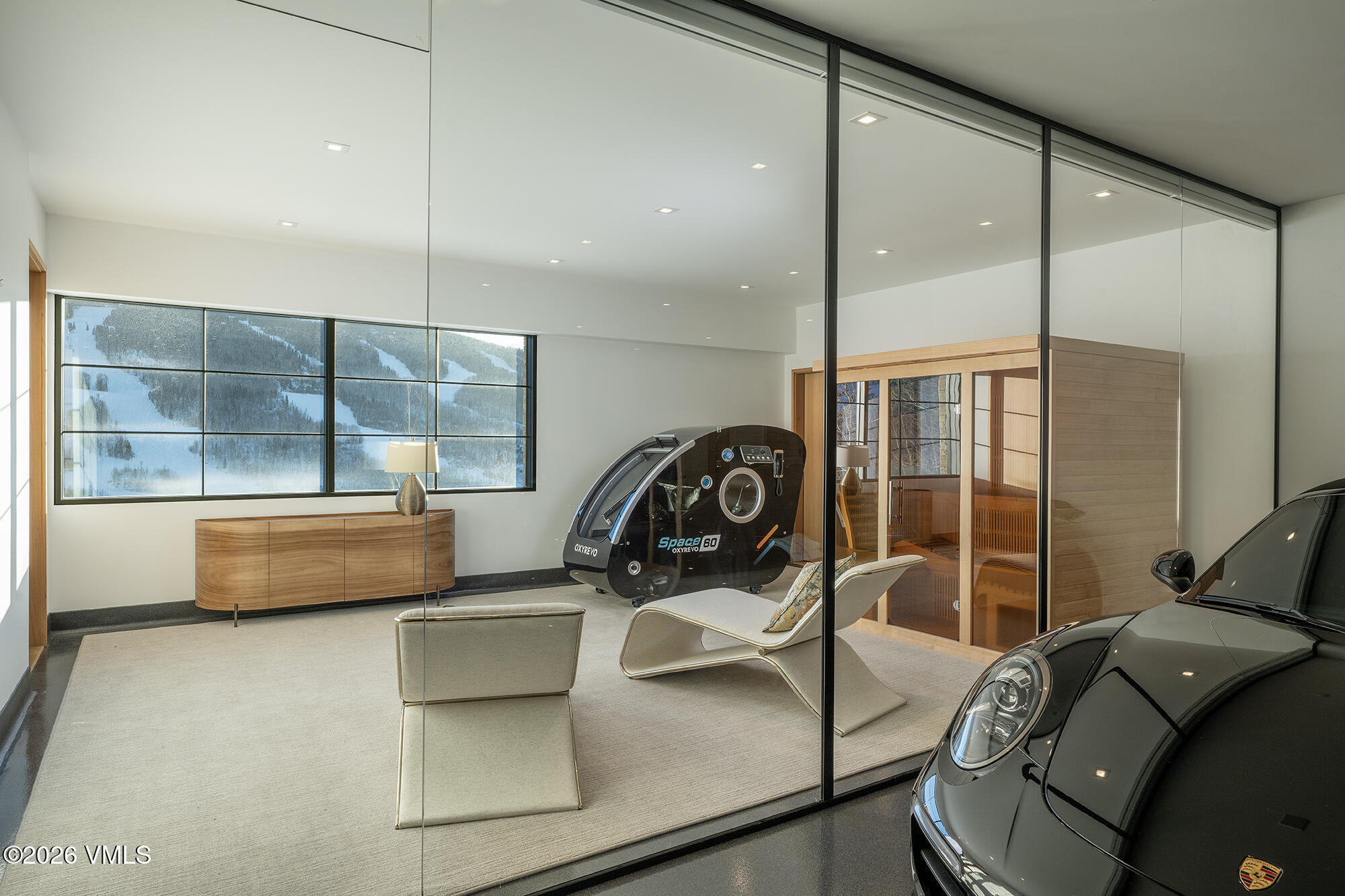
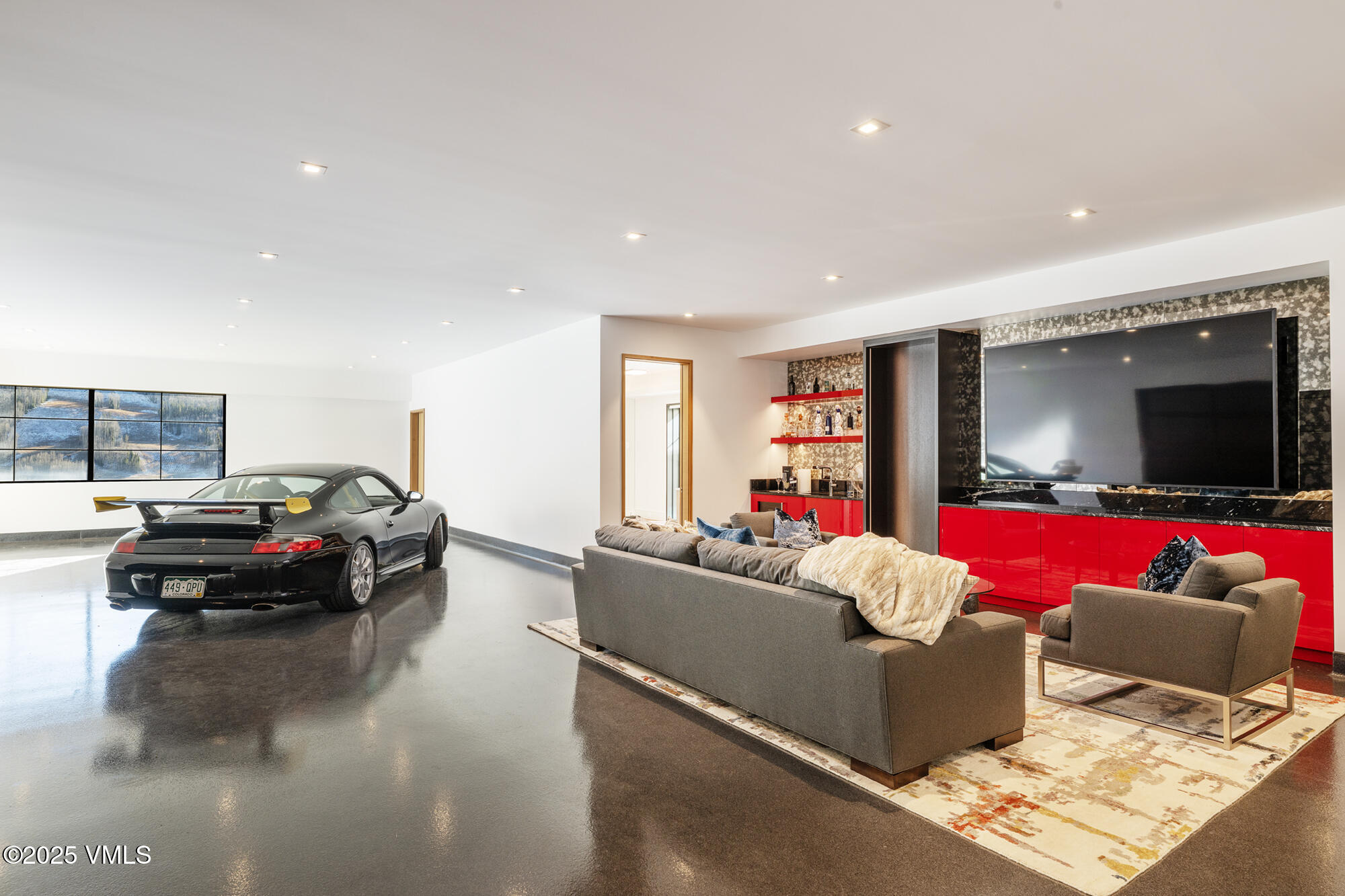
Over the decades, Vail Village evolved from a small ski base into a luxury destination with global recognition. Its real estate changed with it. Older lodge-style condos, hotel residences, and village apartments have been joined by high-end penthouses, remodeled residences, and boutique luxury developments. Still, the core idea remains the same: a mountain village where the resort, restaurants, shops, and public spaces are all within a short walk.
Vail Village is not just the commercial center of Vail. It is the town’s origin point. The village grew directly from the early ski resort and still carries the architectural language, walkability, and mountain-first identity that shaped Vail from the beginning.
Map & Transportation
Vail Village sits along the south side of Interstate 70 at the base of Vail Mountain. The village core includes Bridge Street, Gore Creek Drive, Wall Street, Meadow Drive, and the area around Gondola One. The Vail Transportation Center sits just north of the pedestrian village and serves as the central transit point for local and regional movement.
| Destination |
Approximate Distance / Time |
Route / Mode |
| Gondola One |
Within Vail Village |
Walk from most village-core residences |
| Golden Peak |
About 0.5 mile / 5–10 minutes |
Walk, bike, or free Town of Vail bus |
| Lionshead Village |
About 1 mile west |
In-town bus, pedestrian path, or short drive |
| Ford Park |
About 0.5–1 mile east |
Walk, bike, bus, or short drive |
| Betty Ford Alpine Gardens |
About 1 mile east |
Ford Park area via walk, bus, or bike |
| Gerald R. Ford Amphitheater |
About 1 mile east |
Ford Park area via walk, bus, or bike |
| Vail Golf Club |
About 1.5–2 miles east |
South Frontage Road or Town of Vail bus |
| West Vail |
About 3–4 miles west |
Free Town of Vail bus or I-70 |
| Beaver Creek Resort |
About 13–15 miles west |
I-70 west to Avon |
| Eagle County Regional Airport |
About 35 miles west |
I-70 west toward Eagle / Gypsum |
| Denver International Airport |
About 120 miles east |
I-70 east toward Denver |
The free Town of Vail bus system is one of the village’s biggest practical benefits. Residents can move between Vail Village, Lionshead, Golden Peak, East Vail, West Vail, and other town areas without needing a car for most local trips. The Vail Transportation Center also connects residents and guests to regional service through the wider Eagle County transit network.
Real Estate Market Trends
Vail Village is one of the most premium real estate submarkets in the Vail Valley. Demand is driven by immediate ski access, walkability, luxury amenities, short-term rental appeal, and the scarcity of village-core inventory. Buyers are not only paying for square footage. They are paying for time saved, access gained, and the ability to experience Vail without a car.
$1.72M Approx. Vail average home value, April 2026
+4.5% Approx. one-year Vail home value change
$2M+ Common range for many village residences
$5M+ Premium penthouse and luxury condo tier
$10M+ Upper tier for rare signature residences
Low Inventory in the pedestrian village core
| Property Segment |
Market Character |
Buyer Consideration |
| Village-core condos |
The most common ownership format in Vail Village, with strong demand from second-home buyers, seasonal users, and investors |
Building condition, HOA fees, parking, elevator access, ski storage, views, and rental rules can all shift value significantly |
| Hotel residences |
Luxury units connected to hospitality services, often offering concierge, spa, dining, valet, and rental management support |
Appeal to buyers who want turnkey ownership, but operating costs and usage rules should be reviewed carefully |
| Penthouses |
Scarce upper-tier residences with premium views, larger floor plans, high-end finishes, and direct village access |
Limited inventory creates strong pricing power, especially for remodeled or newer residences with mountain views |
| Townhomes |
Less common in the village core, but valued for private entries, multi-level layouts, and a more residential feel |
Often attract buyers who want village convenience with more separation than a traditional condo building |
| Rental-oriented properties |
Village location supports strong guest demand during ski season, holidays, summer events, and festival periods |
Short-term rental licensing, HOA rules, parking limits, and management costs should be confirmed before purchase |
The biggest real estate advantage in Vail Village is durability of demand. Skiers want the lifts. Diners want the restaurants. Visitors want to stay where they can walk everywhere. Owners want convenience when they arrive after a long drive or flight. That keeps village real estate highly competitive, even when the broader market gives buyers more room to negotiate.
In Vail Village, the best properties often solve several problems at once: they provide ski access, walkability, parking, updated interiors, strong building amenities, and rental flexibility. When all of those factors align, inventory can move quickly despite premium pricing.
Lifestyle
Life in Vail Village is built around movement on foot. A typical winter day can start with coffee near Bridge Street, continue with skiing from Gondola One, and end with dinner or après-ski without ever getting in a car. In summer, the same streets shift into patio dining, art walks, concerts, mountain biking, scenic gondola rides, and festival traffic.
Gondola One
Gondola One is the village’s defining mountain-access point. It connects the pedestrian core directly to Vail Mountain, giving nearby owners one of the most convenient ski and summer sightseeing locations in town.
Bridge Street
Bridge Street is one of the village’s most recognizable corridors, with restaurants, shops, nightlife, the Vail Clock Tower, and a steady flow of guests moving between the village and the mountain.
Gore Creek Drive
Gore Creek Drive adds a more scenic village edge, with creek-side walks, restaurants, lodging, and homes near the water. It offers a softer setting while staying close to the busiest village streets.
Dining & Après-Ski
Vail Village is the center of the town’s dining scene, from casual cafés and patios to long-standing fine dining restaurants. Winter après-ski and summer outdoor dining both anchor the village lifestyle.
Shopping & Galleries
The village has boutique retail, ski shops, luxury brands, jewelers, art galleries, and specialty stores. For residents, shopping is woven into daily errands rather than treated as a separate trip.
Year-Round Events
Vail Village gives owners close access to seasonal markets, winter celebrations, summer festivals, concerts, art events, culinary programming, and the broader Vail cultural calendar.
Amenities
Vail Village has the strongest amenity density in the town. Restaurants, shops, galleries, hotels, spas, ski services, medical access, transit, and mountain recreation are all clustered in a compact walkable setting. For many buyers, this is the main reason to own here instead of a quieter residential neighborhood nearby.
| Category |
What’s Available |
| Skiing & Mountain Access |
Gondola One, Golden Peak nearby, access to Vail Mountain’s 5,317 skiable acres, ski school facilities, rentals, tuning, lockers, and mountain dining |
| Dining |
Fine dining, casual cafés, après-ski lounges, patio restaurants, bakeries, cocktail bars, and hotel dining throughout the village core |
| Shopping |
Boutiques, ski shops, luxury retailers, art galleries, jewelry stores, home goods, apparel, and specialty mountain lifestyle brands |
| Hotels & Services |
Luxury hotels, spas, valet services, concierge teams, fitness facilities, salons, equipment rentals, and guest-service businesses |
| Arts & Culture |
Public art, galleries, seasonal programming, nearby Gerald R. Ford Amphitheater, Bravo! Vail, Vail Dance Festival, and village events |
| Parks & Outdoor Spaces |
Gore Creek paths, pocket plazas, nearby Ford Park, Betty Ford Alpine Gardens, and easy access to summer hiking and biking |
| Healthcare |
Vail Health and The Steadman Clinic are nearby, providing mountain-community healthcare and internationally recognized orthopedic care |
| Transportation |
Vail Transportation Center, free Town of Vail bus service, paid public parking structures, I-70 access, and regional transit connections |
Vail Village is the most convenient lifestyle setting in Vail. Owners can arrive, park once, and move through much of the week on foot or by free local bus. That ease is a major part of the village’s real estate premium.
Popular Residential Settings in Vail Village
Vail Village has several micro-settings, each with a different ownership feel. Some buyers want the energy of Bridge Street. Others prefer a quieter creek-side location near Gore Creek Drive. Some prioritize ski access above everything else, while others want hotel services, views, or a newer building. In a market with limited inventory, these small differences matter.
Bridge Street Core
The Bridge Street area is the classic center of Vail Village. It offers immediate access to restaurants, shops, nightlife, and Gondola One, making it one of the most convenient and energetic settings in town.
Gore Creek Drive
Gore Creek Drive provides a scenic village setting close to the water. Buyers here often value the balance of walkability, views, restaurants, and a slightly softer feel than the busiest village corridors.
Gondola One Area
Residences near Gondola One carry some of the strongest ski-access appeal in Vail Village. This setting is especially attractive to winter-focused buyers and rental-oriented owners.
Meadow Drive
Meadow Drive offers central access with a mix of lodging, residences, shops, and services. It works well for buyers who want to stay close to the village core while maintaining quick access to the transportation center.
Hotel Residence Buildings
Hotel residences appeal to buyers who want amenities, service, and rental management options. These properties can offer spa access, concierge support, valet parking, and a lock-and-leave ownership style.
Village Edge Residences
Properties near the quieter edges of the village can offer easier access to Ford Park, Golden Peak, or creek-side walks. These settings suit buyers who want village convenience with a slightly calmer daily rhythm.
| Setting |
Character |
Best For |
| Bridge Street Core |
Central, lively, walkable, and close to restaurants and nightlife |
Buyers who want the full Vail Village experience right outside the door |
| Gore Creek Drive |
Scenic, creek-side, and still highly walkable |
Owners who want village access with a more natural setting |
| Gondola One Area |
Immediate mountain access and strong rental appeal |
Ski-focused buyers and investors seeking high guest demand |
| Meadow Drive |
Central, service-oriented, and close to transit |
Buyers who value convenience, parking access, and easy circulation |
| Hotel Residences |
Turnkey, amenity-rich, and service-focused |
Second-home owners who want ease, rental management, and luxury support |
| Village Edge |
Quieter, still walkable, and close to parks or Golden Peak |
Owners who want village proximity without being in the busiest blocks |
Schools & Education
Vail Village residents are served by Eagle County School District RE 50J, with public, private, and specialized school options throughout the Vail Valley. Families living in the village often value the central location because it keeps them close to town amenities, ski training, transit, and after-school activities.
| School |
Type / Grades |
Notes |
| Red Sandstone Elementary School |
Public PreK–5; Eagle County School District |
Located in Vail and serving young students with a community-school setting, academic programming, and access to the broader Vail Valley learning environment |
| Homestake Peak School |
Public PreK–8; Eagle County School District |
Located in EagleVail; offers a PreK–8 environment with dual-language instruction in Spanish and English for elementary grades |
| Battle Mountain High School |
Public 9–12; Eagle County School District |
A comprehensive high school in Edwards serving the Vail Valley, with college-prep academics, athletics, and a diverse student body |
| Vail Ski & Snowboard Academy |
Public 5–12; Eagle County School District |
Located in Minturn; designed for serious student-athletes balancing academics, ski training, snowboarding, and competition schedules |
| Vail Mountain School |
Private K–12; independent school in Vail |
A college-preparatory independent school with a mountain setting, experiential learning, and a full K–12 program close to the village |
| Colorado Mountain College |
Public college; Vail Valley campus |
Offers continuing education, workforce training, associate degree pathways, and community learning opportunities in the broader valley |
For families who want strong academics and mountain athletics in the same valley, Vail offers an unusually flexible education landscape. The mix of public schools, private school, and specialized ski-and-snowboard programming is a major relocation advantage.
Investment Potential
Vail Village has one of the clearest investment stories in the Colorado resort market. It offers direct access to Vail Mountain, a globally recognized brand, a built-out village core, limited inventory, and strong guest demand across ski season, holidays, summer festivals, and event weekends. For buyers who want rental appeal and personal-use convenience, the village remains one of the most sought-after locations in the valley.
| Market Snapshot |
| Vail average home value |
Approximately $1.72 million as of April 2026 |
| One-year Vail value change |
Up approximately 4.5% |
| Village-core pricing |
Often above the townwide average due to walkability and ski access |
| Premium property types |
Penthouses, hotel residences, remodeled condos, and Gondola One-adjacent homes |
| Inventory pattern |
Limited, especially for updated residences with parking and strong rental flexibility |
| Investment Fundamentals |
| Demand driver |
Ski access, walkability, restaurants, shopping, and year-round events |
| Rental appeal |
Strong demand from visitors who want to stay in the village core |
| Scarcity |
Built-out pedestrian village with limited opportunities for new supply |
| Ownership style |
Works well for second homes, lock-and-leave use, and managed rental properties |
| Long-term value driver |
Global Vail brand recognition and irreplaceable central location |
The best investment candidates in Vail Village are usually properties that reduce friction for both owners and guests. Parking, ski storage, elevator access, modern interiors, views, building amenities, and clear rental rules can all improve performance. A smaller, better-located residence can sometimes outperform a larger property farther from the village core.
Buyers considering rental income should review Town of Vail short-term rental licensing, HOA restrictions, parking rules, occupancy limits, and management costs. Vail Village has strong renter demand, but the financial picture depends heavily on the specific building and unit.
Relocation Teaser
Vail Village is for the buyer who wants Vail at their front door. It is not the quietest choice in town, and it is rarely the most affordable. But it is the most immediate. The mountain, restaurants, shops, events, and transportation are all woven into everyday life. For buyers who want the complete Vail experience without compromise, the village is the address that defines the brand.
For Ski-First Buyers
Gondola One access makes Vail Village one of the most convenient ski locations in town. Owners can move from home to the mountain with minimal planning and no daily parking routine.
For Walkability Buyers
The village is designed around walking. Dining, shopping, galleries, ski services, coffee, and events are all close enough to become part of the daily rhythm.
For Luxury Second-Home Owners
Vail Village is ideal for lock-and-leave ownership. Many buildings offer services, amenities, rental support, and the convenience buyers want when they use the home seasonally.
For Rental Investors
Guest demand is strongest where visitors can walk to the lifts and restaurants. Vail Village checks that box clearly, especially for updated properties with strong building amenities.
For Year-Round Users
The village works beyond ski season. Summer concerts, markets, hiking, dining, biking, and festivals keep the area active throughout the year.
For Long-Term Holders
Vail Village real estate is difficult to replicate. Its combination of mountain access, walkability, scarcity, and global recognition gives it a durable ownership story.
Frequently Asked Questions
What is Vail Village known for?
Vail Village is known as the original heart of Vail, Colorado. It offers pedestrian streets, alpine-inspired architecture, Gondola One access, luxury residences, restaurants, boutiques, galleries, hotels, and year-round events at the base of Vail Mountain.
Is Vail Village walkable?
Yes. Vail Village is one of the most walkable areas in the Vail Valley. Residents can walk to restaurants, shops, cafés, ski services, galleries, hotels, public plazas, the transportation center, and Gondola One from many village-core residences.
How is Vail Village different from Lionshead?
Vail Village is the original resort core, with a more historic alpine-village feel, Bridge Street, Gore Creek Drive, and Gondola One. Lionshead sits west of the village and has its own base area, Eagle Bahn Gondola, lodging, restaurants, and a slightly more modern resort layout. Both are walkable, but Vail Village is often seen as the classic center of town.
What types of homes are available in Vail Village?
Vail Village primarily offers luxury condominiums, penthouses, hotel residences, townhomes, and a limited number of single-family or semi-detached homes near the village core. Properties with ski access, parking, mountain views, updated finishes, and rental flexibility tend to command the strongest premiums.
Is Vail Village good for short-term rentals?
Vail Village can be very appealing for short-term rentals because visitors value walkability, ski access, restaurants, and village atmosphere. Buyers should confirm Town of Vail licensing requirements, HOA rules, parking limits, occupancy standards, and management costs before relying on rental income.
Do you need a car in Vail Village?
Many daily activities in Vail Village do not require a car. The village is walkable, and the Town of Vail operates free year-round bus service. Owners may still want a vehicle for regional travel, grocery trips, airport access, or visits to nearby towns such as Avon, Edwards, and Beaver Creek.
What schools serve Vail Village?
Vail Village is served by Eagle County School District RE 50J. Nearby education options include Red Sandstone Elementary School, Homestake Peak School, Battle Mountain High School, and Vail Ski & Snowboard Academy. Vail Mountain School provides a private K–12 option in Vail.
Is Vail Village a good place to live year-round?
Yes, especially for residents who value walkability, dining, events, skiing, and access to town services. It is busier than East Vail, West Vail, or golf-course-area neighborhoods, but that activity is part of its appeal. Year-round residents who enjoy being close to the center of town often find it very convenient.
Vail Village, CO Neighborhood Guide
Vail, Colorado · Eagle County · 81657
Vail Village is the original heart of Vail, Colorado. Set at the base of Vail Mountain around Gondola One, the village is known for its pedestrian streets, alpine-inspired architecture, luxury residences, boutique shopping, fine dining, and immediate access to one of the largest ski mountains in North America. It is the place many people picture first when they think of Vail.
The neighborhood attracts buyers who want the full resort experience within steps of home. Morning skiing, afternoon shopping, dinner reservations, gallery visits, après-ski, and summer festivals all happen within a compact village setting. Unlike quieter residential areas farther east or west, Vail Village is built around walkability, convenience, and constant access to the mountain.
This guide covers the history, lifestyle, real estate market, schools, amenities, residential settings, and investment picture for Vail Village, Colorado.
Key Facts: Vail Village, CO
County
Eagle County, Colorado
Community Type
Pedestrian resort village, luxury residential district, and original commercial core of Vail
Location
At the base of Vail Mountain around Gondola One, Bridge Street, Gore Creek Drive, Meadow Drive, and the Vail Transportation Center
ZIP Code
81657
Elevation
Approximately 8,120 feet at the base of Vail Mountain
Primary Landmark
Gondola One, Vail Mountain, Bridge Street, Vail Clock Tower, and the pedestrian village core
Mountain Access
Immediate access to Vail Mountain through Gondola One and nearby Golden Peak base facilities
Vail Mountain Stats
5,317 skiable acres, 32 lifts, 278 trails, 11,570-foot summit elevation, and a 4-mile longest run
Town of Vail Population
Approximately 5,000 full-time residents, with a significant seasonal and part-time population
Real Estate Profile
Luxury condominiums, penthouses, hotel residences, townhomes, and limited single-family homes near the village core
Vail Home Value Context
Vail average home value was approximately $1.72 million as of April 2026; Vail Village properties often trade at a premium due to walkability and ski access
Transportation
Free Town of Vail bus service, Vail Transportation Center, walkable streets, paid public parking structures, and easy I-70 access
Nearby Destinations
Gondola One, Golden Peak, Ford Park, Betty Ford Alpine Gardens, Gerald R. Ford Amphitheater, Lionshead Village, and Vail Golf Club
School District
Eagle County School District RE 50J; private and specialized education options nearby in the Vail Valley
Vail Village Lifestyle Snapshot
An editorial snapshot of the neighborhood’s strongest lifestyle attributes, not a statistical ranking.
Walkability
Ski Access
Dining & Shopping
Luxury Home Demand
Rental & Investment Appeal
Year-Round Events
Quiet Residential Feel
Community Overview
Vail Village is the most recognizable neighborhood in the Vail Valley. Its cobblestone-style pedestrian streets, chalet-inspired buildings, heated walkways, public plazas, and close-up views of Vail Mountain create the classic resort atmosphere that has made Vail famous worldwide. The neighborhood is compact, polished, and highly convenient, with nearly everything accessible on foot.
For homeowners, the village offers a lifestyle built around ease. Skiers can walk to Gondola One. Diners can choose from some of the valley’s best-known restaurants without driving. Shoppers, art collectors, and seasonal visitors can move between boutiques, galleries, hotels, and cafés throughout the day. The tradeoff is density and price, but for buyers who want the center of Vail, no other neighborhood matches it.
5,317 Skiable acres on Vail Mountain
32 Lifts serving Vail Mountain
278 Trails across the resort
11,570 ft Vail Mountain summit elevation
$1.72M Approx. Vail average home value, April 2026
1962 Vail Mountain opened
Vail Village is the highest-convenience address in town. The strongest properties combine walkability, mountain access, views, updated interiors, parking, and building amenities, which is why inventory in the village core remains some of the most closely watched in the Vail market.
History & Heritage
Vail Village began with the creation of Vail Mountain. Construction started in spring 1962, and the resort opened that same year with one of the first gondolas in the United States, two double chairlifts, and early mountain facilities. The Town of Vail was incorporated in 1966, giving the young ski community a formal municipal identity.
The village was designed as a pedestrian-friendly alpine resort, drawing inspiration from European mountain towns. Early shops, hotels, restaurants, and ski services clustered near the base of the mountain, forming the walkable core that still defines Vail today. The architecture, plazas, bridges, and narrow streets were built to make the village feel intimate, even as Vail’s reputation grew internationally.
Over the decades, Vail Village evolved from a small ski base into a luxury destination with global recognition. Its real estate changed with it. Older lodge-style condos, hotel residences, and village apartments have been joined by high-end penthouses, remodeled residences, and boutique luxury developments. Still, the core idea remains the same: a mountain village where the resort, restaurants, shops, and public spaces are all within a short walk.
Vail Village is not just the commercial center of Vail. It is the town’s origin point. The village grew directly from the early ski resort and still carries the architectural language, walkability, and mountain-first identity that shaped Vail from the beginning.
Map & Transportation
Vail Village sits along the south side of Interstate 70 at the base of Vail Mountain. The village core includes Bridge Street, Gore Creek Drive, Wall Street, Meadow Drive, and the area around Gondola One. The Vail Transportation Center sits just north of the pedestrian village and serves as the central transit point for local and regional movement.
Destination
Approximate Distance / Time
Route / Mode
Gondola One
Within Vail Village
Walk from most village-core residences
Golden Peak
About 0.5 mile / 5–10 minutes
Walk, bike, or free Town of Vail bus
Lionshead Village
About 1 mile west
In-town bus, pedestrian path, or short drive
Ford Park
About 0.5–1 mile east
Walk, bike, bus, or short drive
Betty Ford Alpine Gardens
About 1 mile east
Ford Park area via walk, bus, or bike
Gerald R. Ford Amphitheater
About 1 mile east
Ford Park area via walk, bus, or bike
Vail Golf Club
About 1.5–2 miles east
South Frontage Road or Town of Vail bus
West Vail
About 3–4 miles west
Free Town of Vail bus or I-70
Beaver Creek Resort
About 13–15 miles west
I-70 west to Avon
Eagle County Regional Airport
About 35 miles west
I-70 west toward Eagle / Gypsum
Denver International Airport
About 120 miles east
I-70 east toward Denver
The free Town of Vail bus system is one of the village’s biggest practical benefits. Residents can move between Vail Village, Lionshead, Golden Peak, East Vail, West Vail, and other town areas without needing a car for most local trips. The Vail Transportation Center also connects residents and guests to regional service through the wider Eagle County transit network.
Real Estate Market Trends
Vail Village is one of the most premium real estate submarkets in the Vail Valley. Demand is driven by immediate ski access, walkability, luxury amenities, short-term rental appeal, and the scarcity of village-core inventory. Buyers are not only paying for square footage. They are paying for time saved, access gained, and the ability to experience Vail without a car.
$1.72M Approx. Vail average home value, April 2026
+4.5% Approx. one-year Vail home value change
$2M+ Common range for many village residences
$5M+ Premium penthouse and luxury condo tier
$10M+ Upper tier for rare signature residences
Low Inventory in the pedestrian village core
Property Segment
Market Character
Buyer Consideration
Village-core condos
The most common ownership format in Vail Village, with strong demand from second-home buyers, seasonal users, and investors
Building condition, HOA fees, parking, elevator access, ski storage, views, and rental rules can all shift value significantly
Hotel residences
Luxury units connected to hospitality services, often offering concierge, spa, dining, valet, and rental management support
Appeal to buyers who want turnkey ownership, but operating costs and usage rules should be reviewed carefully
Penthouses
Scarce upper-tier residences with premium views, larger floor plans, high-end finishes, and direct village access
Limited inventory creates strong pricing power, especially for remodeled or newer residences with mountain views
Townhomes
Less common in the village core, but valued for private entries, multi-level layouts, and a more residential feel
Often attract buyers who want village convenience with more separation than a traditional condo building
Rental-oriented properties
Village location supports strong guest demand during ski season, holidays, summer events, and festival periods
Short-term rental licensing, HOA rules, parking limits, and management costs should be confirmed before purchase
The biggest real estate advantage in Vail Village is durability of demand. Skiers want the lifts. Diners want the restaurants. Visitors want to stay where they can walk everywhere. Owners want convenience when they arrive after a long drive or flight. That keeps village real estate highly competitive, even when the broader market gives buyers more room to negotiate.
In Vail Village, the best properties often solve several problems at once: they provide ski access, walkability, parking, updated interiors, strong building amenities, and rental flexibility. When all of those factors align, inventory can move quickly despite premium pricing.
Lifestyle
Life in Vail Village is built around movement on foot. A typical winter day can start with coffee near Bridge Street, continue with skiing from Gondola One, and end with dinner or après-ski without ever getting in a car. In summer, the same streets shift into patio dining, art walks, concerts, mountain biking, scenic gondola rides, and festival traffic.
Gondola One
Gondola One is the village’s defining mountain-access point. It connects the pedestrian core directly to Vail Mountain, giving nearby owners one of the most convenient ski and summer sightseeing locations in town.
Bridge Street
Bridge Street is one of the village’s most recognizable corridors, with restaurants, shops, nightlife, the Vail Clock Tower, and a steady flow of guests moving between the village and the mountain.
Gore Creek Drive
Gore Creek Drive adds a more scenic village edge, with creek-side walks, restaurants, lodging, and homes near the water. It offers a softer setting while staying close to the busiest village streets.
Dining & Après-Ski
Vail Village is the center of the town’s dining scene, from casual cafés and patios to long-standing fine dining restaurants. Winter après-ski and summer outdoor dining both anchor the village lifestyle.
Shopping & Galleries
The village has boutique retail, ski shops, luxury brands, jewelers, art galleries, and specialty stores. For residents, shopping is woven into daily errands rather than treated as a separate trip.
Year-Round Events
Vail Village gives owners close access to seasonal markets, winter celebrations, summer festivals, concerts, art events, culinary programming, and the broader Vail cultural calendar.
Amenities
Vail Village has the strongest amenity density in the town. Restaurants, shops, galleries, hotels, spas, ski services, medical access, transit, and mountain recreation are all clustered in a compact walkable setting. For many buyers, this is the main reason to own here instead of a quieter residential neighborhood nearby.
Category
What’s Available
Skiing & Mountain Access
Gondola One, Golden Peak nearby, access to Vail Mountain’s 5,317 skiable acres, ski school facilities, rentals, tuning, lockers, and mountain dining
Dining
Fine dining, casual cafés, après-ski lounges, patio restaurants, bakeries, cocktail bars, and hotel dining throughout the village core
Shopping
Boutiques, ski shops, luxury retailers, art galleries, jewelry stores, home goods, apparel, and specialty mountain lifestyle brands
Hotels & Services
Luxury hotels, spas, valet services, concierge teams, fitness facilities, salons, equipment rentals, and guest-service businesses
Arts & Culture
Public art, galleries, seasonal programming, nearby Gerald R. Ford Amphitheater, Bravo! Vail, Vail Dance Festival, and village events
Parks & Outdoor Spaces
Gore Creek paths, pocket plazas, nearby Ford Park, Betty Ford Alpine Gardens, and easy access to summer hiking and biking
Healthcare
Vail Health and The Steadman Clinic are nearby, providing mountain-community healthcare and internationally recognized orthopedic care
Transportation
Vail Transportation Center, free Town of Vail bus service, paid public parking structures, I-70 access, and regional transit connections
Vail Village is the most convenient lifestyle setting in Vail. Owners can arrive, park once, and move through much of the week on foot or by free local bus. That ease is a major part of the village’s real estate premium.
Popular Residential Settings in Vail Village
Vail Village has several micro-settings, each with a different ownership feel. Some buyers want the energy of Bridge Street. Others prefer a quieter creek-side location near Gore Creek Drive. Some prioritize ski access above everything else, while others want hotel services, views, or a newer building. In a market with limited inventory, these small differences matter.
Bridge Street Core
The Bridge Street area is the classic center of Vail Village. It offers immediate access to restaurants, shops, nightlife, and Gondola One, making it one of the most convenient and energetic settings in town.
Gore Creek Drive
Gore Creek Drive provides a scenic village setting close to the water. Buyers here often value the balance of walkability, views, restaurants, and a slightly softer feel than the busiest village corridors.
Gondola One Area
Residences near Gondola One carry some of the strongest ski-access appeal in Vail Village. This setting is especially attractive to winter-focused buyers and rental-oriented owners.
Meadow Drive
Meadow Drive offers central access with a mix of lodging, residences, shops, and services. It works well for buyers who want to stay close to the village core while maintaining quick access to the transportation center.
Hotel Residence Buildings
Hotel residences appeal to buyers who want amenities, service, and rental management options. These properties can offer spa access, concierge support, valet parking, and a lock-and-leave ownership style.
Village Edge Residences
Properties near the quieter edges of the village can offer easier access to Ford Park, Golden Peak, or creek-side walks. These settings suit buyers who want village convenience with a slightly calmer daily rhythm.
Setting
Character
Best For
Bridge Street Core
Central, lively, walkable, and close to restaurants and nightlife
Buyers who want the full Vail Village experience right outside the door
Gore Creek Drive
Scenic, creek-side, and still highly walkable
Owners who want village access with a more natural setting
Gondola One Area
Immediate mountain access and strong rental appeal
Ski-focused buyers and investors seeking high guest demand
Meadow Drive
Central, service-oriented, and close to transit
Buyers who value convenience, parking access, and easy circulation
Hotel Residences
Turnkey, amenity-rich, and service-focused
Second-home owners who want ease, rental management, and luxury support
Village Edge
Quieter, still walkable, and close to parks or Golden Peak
Owners who want village proximity without being in the busiest blocks
Schools & Education
Vail Village residents are served by Eagle County School District RE 50J, with public, private, and specialized school options throughout the Vail Valley. Families living in the village often value the central location because it keeps them close to town amenities, ski training, transit, and after-school activities.
School
Type / Grades
Notes
Red Sandstone Elementary School
Public PreK–5; Eagle County School District
Located in Vail and serving young students with a community-school setting, academic programming, and access to the broader Vail Valley learning environment
Homestake Peak School
Public PreK–8; Eagle County School District
Located in EagleVail; offers a PreK–8 environment with dual-language instruction in Spanish and English for elementary grades
Battle Mountain High School
Public 9–12; Eagle County School District
A comprehensive high school in Edwards serving the Vail Valley, with college-prep academics, athletics, and a diverse student body
Vail Ski & Snowboard Academy
Public 5–12; Eagle County School District
Located in Minturn; designed for serious student-athletes balancing academics, ski training, snowboarding, and competition schedules
Vail Mountain School
Private K–12; independent school in Vail
A college-preparatory independent school with a mountain setting, experiential learning, and a full K–12 program close to the village
Colorado Mountain College
Public college; Vail Valley campus
Offers continuing education, workforce training, associate degree pathways, and community learning opportunities in the broader valley
For families who want strong academics and mountain athletics in the same valley, Vail offers an unusually flexible education landscape. The mix of public schools, private school, and specialized ski-and-snowboard programming is a major relocation advantage.
Investment Potential
Vail Village has one of the clearest investment stories in the Colorado resort market. It offers direct access to Vail Mountain, a globally recognized brand, a built-out village core, limited inventory, and strong guest demand across ski season, holidays, summer festivals, and event weekends. For buyers who want rental appeal and personal-use convenience, the village remains one of the most sought-after locations in the valley.
Market Snapshot
Vail average home value
Approximately $1.72 million as of April 2026
One-year Vail value change
Up approximately 4.5%
Village-core pricing
Often above the townwide average due to walkability and ski access
Premium property types
Penthouses, hotel residences, remodeled condos, and Gondola One-adjacent homes
Inventory pattern
Limited, especially for updated residences with parking and strong rental flexibility
Investment Fundamentals
Demand driver
Ski access, walkability, restaurants, shopping, and year-round events
Rental appeal
Strong demand from visitors who want to stay in the village core
Scarcity
Built-out pedestrian village with limited opportunities for new supply
Ownership style
Works well for second homes, lock-and-leave use, and managed rental properties
Long-term value driver
Global Vail brand recognition and irreplaceable central location
The best investment candidates in Vail Village are usually properties that reduce friction for both owners and guests. Parking, ski storage, elevator access, modern interiors, views, building amenities, and clear rental rules can all improve performance. A smaller, better-located residence can sometimes outperform a larger property farther from the village core.
Buyers considering rental income should review Town of Vail short-term rental licensing, HOA restrictions, parking rules, occupancy limits, and management costs. Vail Village has strong renter demand, but the financial picture depends heavily on the specific building and unit.
Relocation Teaser
Vail Village is for the buyer who wants Vail at their front door. It is not the quietest choice in town, and it is rarely the most affordable. But it is the most immediate. The mountain, restaurants, shops, events, and transportation are all woven into everyday life. For buyers who want the complete Vail experience without compromise, the village is the address that defines the brand.
For Ski-First Buyers
Gondola One access makes Vail Village one of the most convenient ski locations in town. Owners can move from home to the mountain with minimal planning and no daily parking routine.
For Walkability Buyers
The village is designed around walking. Dining, shopping, galleries, ski services, coffee, and events are all close enough to become part of the daily rhythm.
For Luxury Second-Home Owners
Vail Village is ideal for lock-and-leave ownership. Many buildings offer services, amenities, rental support, and the convenience buyers want when they use the home seasonally.
For Rental Investors
Guest demand is strongest where visitors can walk to the lifts and restaurants. Vail Village checks that box clearly, especially for updated properties with strong building amenities.
For Year-Round Users
The village works beyond ski season. Summer concerts, markets, hiking, dining, biking, and festivals keep the area active throughout the year.
For Long-Term Holders
Vail Village real estate is difficult to replicate. Its combination of mountain access, walkability, scarcity, and global recognition gives it a durable ownership story.
Frequently Asked Questions
What is Vail Village known for?
Vail Village is known as the original heart of Vail, Colorado. It offers pedestrian streets, alpine-inspired architecture, Gondola One access, luxury residences, restaurants, boutiques, galleries, hotels, and year-round events at the base of Vail Mountain.
Is Vail Village walkable?
Yes. Vail Village is one of the most walkable areas in the Vail Valley. Residents can walk to restaurants, shops, cafés, ski services, galleries, hotels, public plazas, the transportation center, and Gondola One from many village-core residences.
How is Vail Village different from Lionshead?
Vail Village is the original resort core, with a more historic alpine-village feel, Bridge Street, Gore Creek Drive, and Gondola One. Lionshead sits west of the village and has its own base area, Eagle Bahn Gondola, lodging, restaurants, and a slightly more modern resort layout. Both are walkable, but Vail Village is often seen as the classic center of town.
What types of homes are available in Vail Village?
Vail Village primarily offers luxury condominiums, penthouses, hotel residences, townhomes, and a limited number of single-family or semi-detached homes near the village core. Properties with ski access, parking, mountain views, updated finishes, and rental flexibility tend to command the strongest premiums.
Is Vail Village good for short-term rentals?
Vail Village can be very appealing for short-term rentals because visitors value walkability, ski access, restaurants, and village atmosphere. Buyers should confirm Town of Vail licensing requirements, HOA rules, parking limits, occupancy standards, and management costs before relying on rental income.
Do you need a car in Vail Village?
Many daily activities in Vail Village do not require a car. The village is walkable, and the Town of Vail operates free year-round bus service. Owners may still want a vehicle for regional travel, grocery trips, airport access, or visits to nearby towns such as Avon, Edwards, and Beaver Creek.
What schools serve Vail Village?
Vail Village is served by Eagle County School District RE 50J. Nearby education options include Red Sandstone Elementary School, Homestake Peak School, Battle Mountain High School, and Vail Ski & Snowboard Academy. Vail Mountain School provides a private K–12 option in Vail.
Is Vail Village a good place to live year-round?
Yes, especially for residents who value walkability, dining, events, skiing, and access to town services. It is busier than East Vail, West Vail, or golf-course-area neighborhoods, but that activity is part of its appeal. Year-round residents who enjoy being close to the center of town often find it very convenient.